
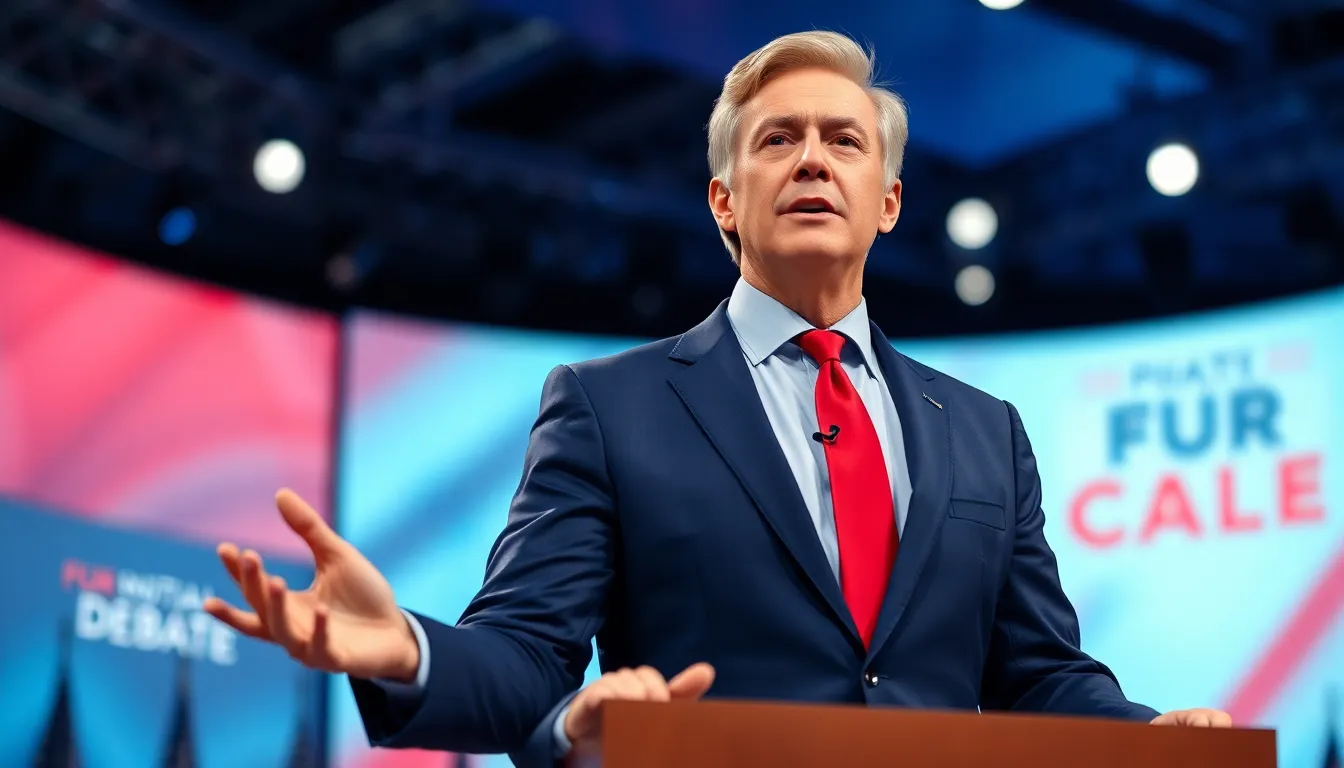

Political debates are like a high-stakes game of chess, but with more shouting and fewer board pieces. They bring together candidates to battle it out for votes, all while showcasing their charisma, policies, and sometimes, their questionable fashion choices. As viewers tune in, they witness not just a clash of ideas but a spectacle that can make or break a campaign.
Overview of Political Debates
Political debates act as critical events in the electoral process, allowing candidates to present their platforms directly to voters. These forums highlight individual strengths, enabling candidates to differentiate themselves based on policies and personal attributes. During these events, human emotions and public perception play significant roles, affecting how voters perceive the candidates.
Candidates prepare extensively for debates, focusing on key issues that resonate with the electorate. They aim to articulate their positions clearly while addressing opponents’ arguments. Debaters often use statistics and facts to support their claims, enhancing their credibility in the eyes of viewers.
Debates can influence public opinion significantly. Research indicates that candidates often experience fluctuations in poll numbers following debate performances. A memorable statement or a compelling rebuttal can shift voter sentiment, impacting campaign momentum.
Technical aspects of debates also matter. The format typically includes opening statements, direct questioning, and closing remarks. Each section serves a purpose, encouraging candidates to engage with one another while maintaining a structured dialogue.
Viewing habits during these events have evolved. Audiences now watch debates across multiple platforms, including television, social media, and dedicated streaming services. Engaging visuals and real-time reactions further enhance the experience, making debates more dynamic.
Political debates ultimately contribute to democratic processes by fostering informed discussions among voters. They serve as a reflection of the electoral landscape, highlighting pressing issues while showcasing candidates’ abilities to lead. Through debates, voters gain deeper insights into potential leaders, shaping the future political climate.
Historical Context
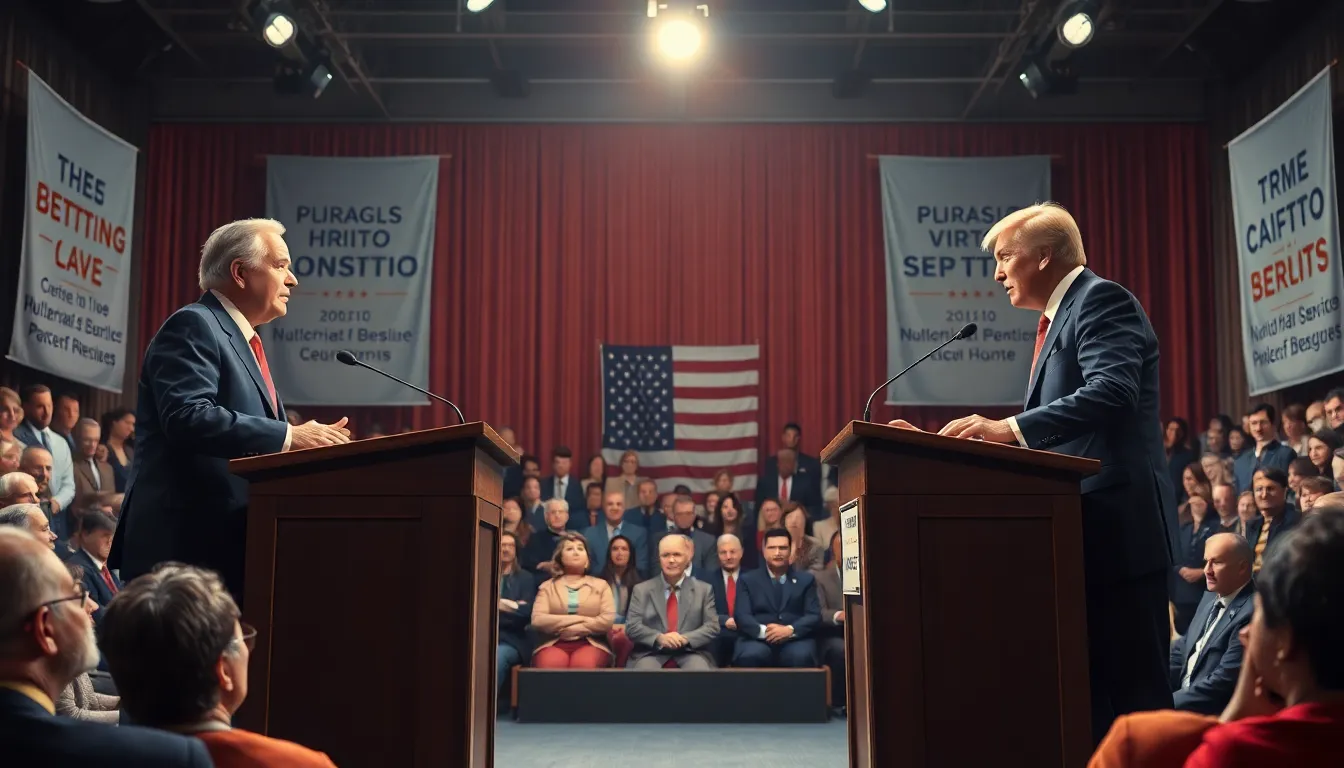
Political debates hold a significant place in the electoral process. These events trace their roots back to ancient Greece, where public discussions emerged as key components of democracy.
Origins of Political Debates
Public discourse began with the ancient Greeks, particularly during the Roman Republic. Citizens gathered to discuss policies and governance, forming the foundation of modern debates. Formal debates appeared in the 19th century, especially in the United States with the Lincoln-Douglas debates of 1858. Those debates highlighted critical issues like slavery and showcased the importance of rhetoric in shaping public opinion. Candidates interacted directly with the electorate, setting a precedent for future political exchanges.
Evolution Over Time
Debate formats evolved significantly over the decades. The introduction of radio and television transformed how candidates engaged with voters. In 1960, the first televised presidential debate between John F. Kennedy and Richard Nixon represented a turning point, emphasizing the visual impact of candidate presentations. Advances in technology continued to shape debates, with social media platforms allowing real-time engagement and audience participation. Today, debates occur across various media, adapting to modern viewing habits and reaching a broader electorate than ever before.
Significance of Political Debates
Political debates play a vital role in shaping the electoral landscape. They influence candidate visibility and allow voters to engage with platforms directly.
Impact on Public Opinion
Debates significantly impact public opinion. Candidates often see shifts in poll numbers after their performances. By addressing key issues that resonate with voters, candidates enhance their credibility. Statistics presented during debates can further sway audience perceptions. Real-time analysis of social media responses reveals immediate feedback, showcasing the influence of debate performances. Public reaction often hinges on a candidate’s ability to connect on a personal level, making charisma an essential aspect of their delivery. Each debate provides an opportunity for candidates to refine their messages, ultimately affecting voter decisions.
Role in Elections
The role of debates in elections is critical. They serve as a platform for candidates to differentiate themselves from opponents. Structured formats vary, ranging from one-on-one exchanges to town hall settings. Candidates prepare extensively, anticipating questions and formulating responses that resonate with the electorate. Informed discussions emerge from these debates, encouraging voters to scrutinize policies and candidate personas. Historical moments in debates, like the 1960 Kennedy-Nixon debate, transformed viewer engagement by highlighting the importance of visual presentation. Ultimately, debates help shape the character of electoral contests and guide voter choices.
Structure and Format of Debates
Political debates follow structured formats that enhance their engagement and effectiveness. Different types of debates serve various purposes and cater to different formats.
Types of Debates
Candidates participate in multiple debate types, including primary debates, general election debates, and town hall meetings. Primary debates typically focus on party members, allowing candidates to showcase platforms before their peers. General election debates feature candidates from opposing parties, highlighting contrasting ideas and policies. Town hall meetings facilitate direct interactions with voters, allowing audiences to ask questions and voice concerns.
Rules and Regulations
Debate rules and regulations govern how candidates interact. Moderators set time limits for each response, ensuring fairness and equal speaking opportunities. Candidates are often restricted from interrupting one another, promoting a respectful atmosphere. Additionally, specific formats require candidates to address or challenge opponent statements directly, fostering a dynamic exchange of ideas. These rules create an environment conducive to informed discussions, guiding both candidates and audiences through the debate process.
Criticisms and Controversies
Critics raise several concerns about the impact of political debates on the electoral landscape. These events can sometimes distort the candidates’ actual positions due to media framing and audience manipulation.
Media Influence
Media coverage plays a crucial role in shaping public perception during political debates. Reporters often emphasize dramatic moments rather than policy discussions. This focus can lead to superficial understanding among voters. Social media platforms amplify rapidly changing narratives, often overshadowing substantive discourse. Additionally, pundit analysis frequently alters how performances are interpreted, leading to potential bias in voter perceptions. Negative or positive spins on candidates’ statements can determine poll shifts, demonstrating the media’s strong influence.
Polarization and Rhetoric
Rhetorical strategies used in debates frequently contribute to political polarization. Candidates often resort to confrontational tactics to energize their base. Emotional appeals can create divisions rather than promote understanding. This divisive rhetoric impacts public discourse, making civil conversations less likely. The emphasis on winning arguments over building consensus can discourage collaborative policymaking. Viewers may adopt more extreme positions due to the heightened emotions provoked during these confrontations, ultimately hindering democratic engagement.
Political debates are more than just a stage for candidates; they’re a vital part of the democratic process. These events not only allow candidates to express their views but also shape public perception and influence voter decisions. The evolution of debate formats and the rise of technology have transformed how candidates engage with the electorate, making these discussions more accessible than ever.
While debates can highlight candidates’ strengths and weaknesses, they also carry the risk of oversimplifying complex issues. The interplay of media coverage and audience reactions can distort the true essence of candidates’ positions. As viewers become more engaged, it’s crucial to approach debates with a discerning eye, recognizing their role in fostering informed political discourse. Ultimately, political debates remain a cornerstone of the electoral landscape, guiding voters toward the leaders who will shape their future.


