
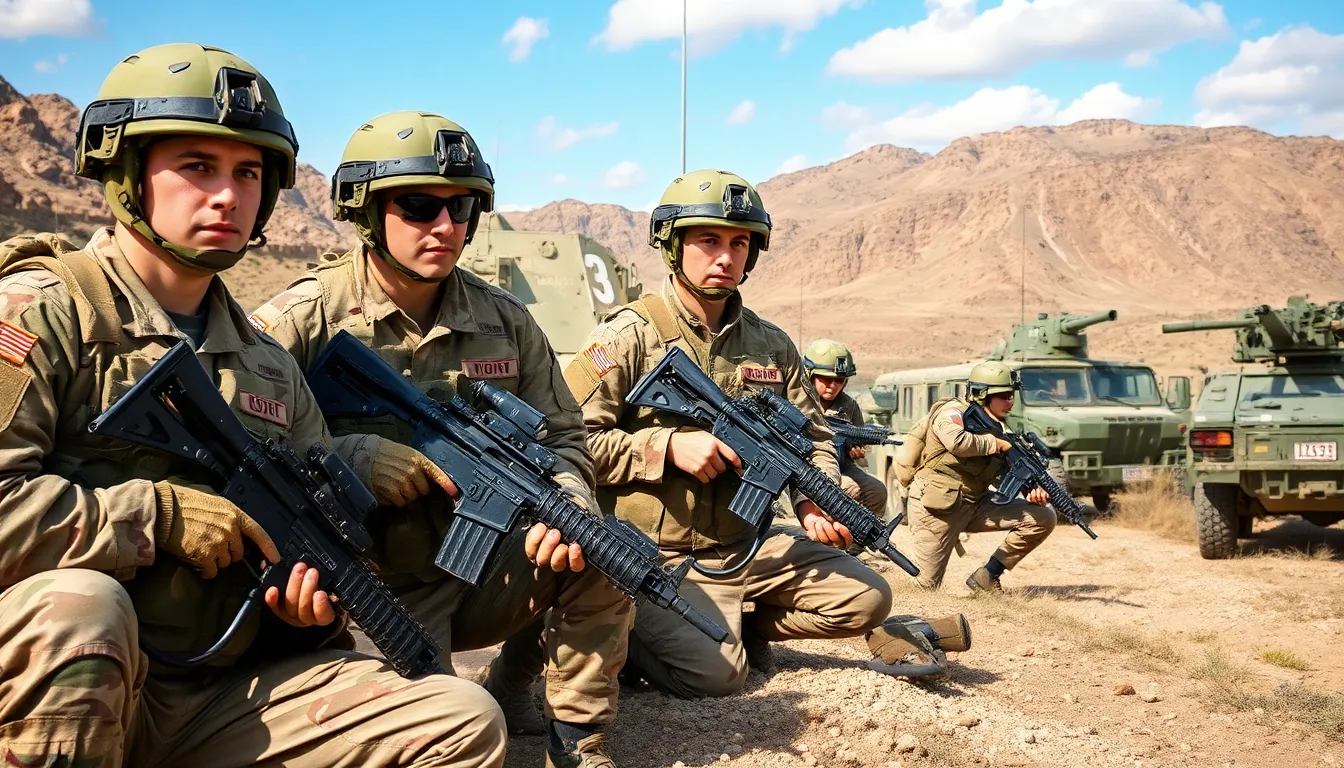

When it comes to global alliances, the North Atlantic Treaty Organization (NATO) is a heavyweight contender. But wait—does India, the land of spicy curries and Bollywood dreams, fit into this mix? Picture this: a country known for its vibrant culture and diverse traditions suddenly stepping into the ring of military alliances. It sounds like the plot of a blockbuster film, doesn’t it?
Overview of NATO
NATO, or the North Atlantic Treaty Organization, is a military alliance formed in 1949. This organization aims to ensure collective defense among its member states. Article 5 of the NATO treaty states that an armed attack against one member constitutes an attack against all members.
Thirty states currently comprise NATO, including the United States, Canada, and numerous European countries. Each member collaborates to enhance political and military cooperation. NATO’s primary purpose remains to maintain peace and security in its member nations.
Military exercises represent one of the primary methods through which NATO achieves its goals. These exercises improve readiness and foster collaboration among member states. By participating in joint missions, NATO members develop common strategies and share military resources efficiently.
The organization also engages in crisis management, responding swiftly to challenges such as terrorism or regional conflicts. NATO has taken part in various peacekeeping missions globally, ranging from the Balkans to Afghanistan. These operations showcase NATO’s commitment to promoting stability beyond its borders.
Partnerships exist between NATO and numerous countries outside the alliance. Countries like Sweden, Finland, and Australia participate in cooperation programs, enhancing security discussions. These partnerships expand NATO’s influence while fostering international security dialogues.
To remain relevant, NATO adapts to changing global threats. The organization prioritizes cyber defense, counter-terrorism, and hybrid warfare strategies. Continuous evolution ensures that NATO addresses modern security challenges effectively.
India’s Strategic Position
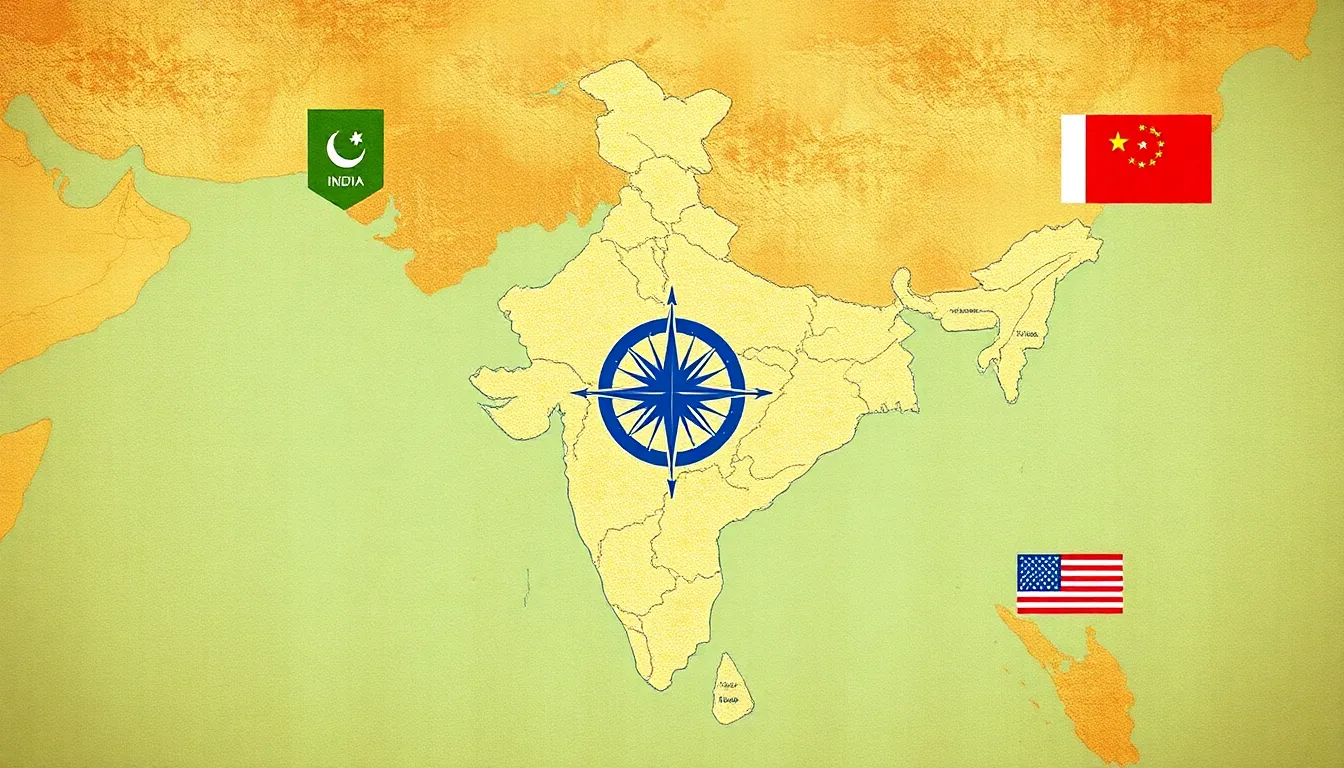
India occupies a unique strategic position in global politics, balancing relationships with major powers while maintaining its sovereignty. This positioning leads to discussions about its role, particularly in alliances like NATO.
Historical Context
India’s historical stance has leaned towards non-alignment since gaining independence in 1947. During the Cold War, it focused on maintaining a neutral position, avoiding alliances that could compromise its autonomy. Notably, India’s relationships with the Soviet Union and, later, with the United States shaped its strategic pursuits. The end of the Cold War prompted shifts in India’s foreign policy, encouraging more open partnerships without formal commitments, allowing for flexibility without NATO’s collective defense obligations.
Current Geopolitical Climate
Today, India faces dynamic geopolitical challenges. Regional tensions with neighbors like Pakistan and China impact its defense strategy. Partnerships with the United States and engagements within multilateral forums, such as the Quad, reflect India’s growing global influence. While India participates in military exercises with NATO members, it has not pursued full membership, valuing its independence. Security concerns drive India to explore various ties, balancing traditional alliances with contemporary threats in an evolving landscape.
India’s Relationships with NATO Members
India maintains strategic relationships with several NATO member countries, promoting cooperation in various sectors.
United States
The relationship between India and the United States has strengthened significantly in recent years. Military collaborations include joint exercises and defense technology sharing. The two countries engage in the 2+2 dialogue, focusing on strategic issues and enhancing military ties. Defense trade between the U.S. and India exceeded $20 billion since 2008, highlighting mutual interests. Security partnerships foster stability in the Indo-Pacific region, enabling both countries to address common challenges. India’s participation in the Quad, alongside the U.S., Australia, and Japan, underscores the importance of regional security ties, reflecting a shared commitment to maintaining a free and open Indo-Pacific.
European Union
India’s engagement with the European Union showcases another key relationship involving NATO member states. Collaborative frameworks include ongoing dialogues on security, trade, and technology. Trade between India and the EU reached over $100 billion in 2021, reflecting strong economic ties. Additionally, India and the EU have partnered on climate change initiatives, promoting sustainable development. Collaborative military exercises with EU member states like France and Germany further strengthen defense cooperation. Such partnerships bolster India’s ability to address security challenges through diversified international relationships while ensuring strategic autonomy.
Implications of India Joining NATO
India’s potential involvement with NATO carries significant implications in both security and economic realms.
Security Concerns
Increased collaboration with NATO could enhance India’s defense capabilities. A formal alliance might solidify its response strategy against regional threats from China and Pakistan. Growing military exercises with NATO members strengthen India’s operational readiness. Participation in multinational operations could improve interoperability with Western forces. Additionally, aligning with NATO principles might influence India’s strategic decision-making to focus on collective security. Heightened intelligence-sharing mechanisms would bolster national security. When faced with evolving security challenges, NATO’s access to advanced technologies can be pivotal for India.
Economic Benefits
Joining NATO could unlock new economic opportunities for India. Enhanced security partnerships may attract foreign investments, fostering economic growth. Collaboration on defense technology could lead to advancements in India’s military-industrial complex. Trade relations with NATO member states may expand significantly, particularly in defense procurement. A formal alliance could promote technological exchanges, benefiting India’s modernization efforts. Economic ties with the U.S. and EU might strengthen, particularly in trade sectors exceeding $100 billion. Overall, integration into NATO could drive robust economic stability while enhancing India’s global standing.
India’s relationship with NATO remains complex and multifaceted. While it hasn’t pursued formal membership, its strategic partnerships with NATO countries have grown stronger. This collaboration allows India to enhance its defense capabilities and engage in military exercises that improve operational readiness.
As India navigates its position in the global arena, it balances its historical commitment to non-alignment with the need for robust security measures. The evolving geopolitical landscape may prompt India to explore deeper ties with NATO, but for now, it values its independence and strategic autonomy. The future will reveal how India continues to adapt its foreign policy in response to emerging challenges and opportunities.


